


Gemstone Buying Guide
Sourcing coloured gemstones for a jewellery business involves more than selecting a colour you like. Quality, certification, and consistency all affect how a stone performs in design, production, and resale. This guide covers the essentials, the 4Cs as they apply to gemstones, certification and treatment, calibration, durability, and what to know about rarity and availability before placing an order.
The 4Cs, Applied to Gemstones
Diamond buyers know the 4Cs well, cut, colour, clarity, and carat. For coloured gemstones, the same framework applies, but the standards shift by stone. Colour is often the primary value driver, a deep, saturated emerald green or a vivid blue sapphire commands more than a pale version of the same stone. Clarity expectations also vary, emeralds are typically included by nature, while sapphires and rubies are judged more strictly. Cut affects how well a stone reflects colour and light, and carat weight matters, but not as predictably as with diamonds, since rarer stones can gain value disproportionately at larger sizes.
Certification, What It Confirms
Certification from a recognised lab, GIA or IGI, verifies a gemstone’s authenticity, species, colour and clarity grading, carat weight, and any treatments. This documentation lets buyers price and position stones with confidence, since every detail can be verified rather than assumed. Requesting certification upfront helps avoid discrepancies later in the process.
Natural vs. Lab-Grown Stones
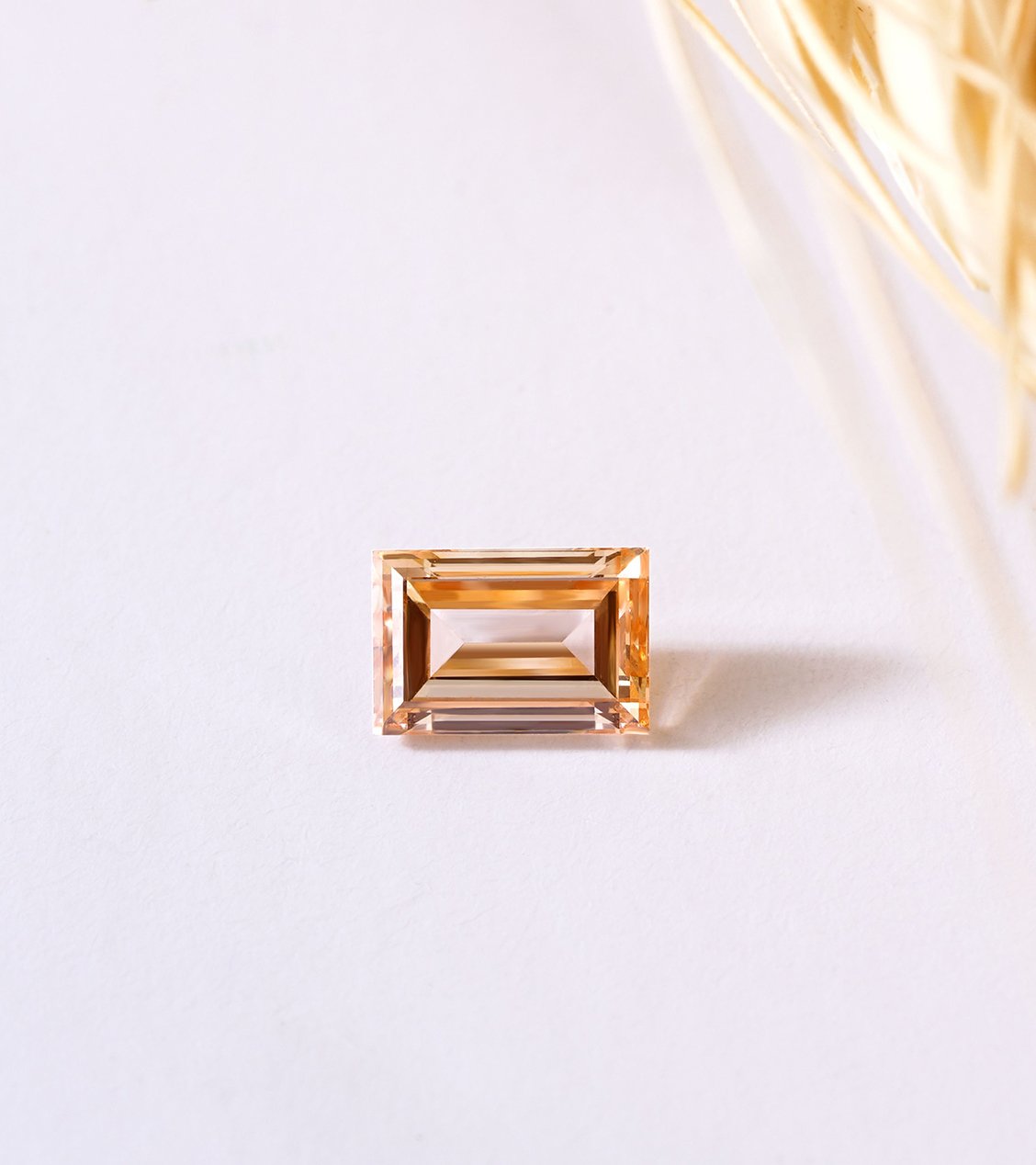
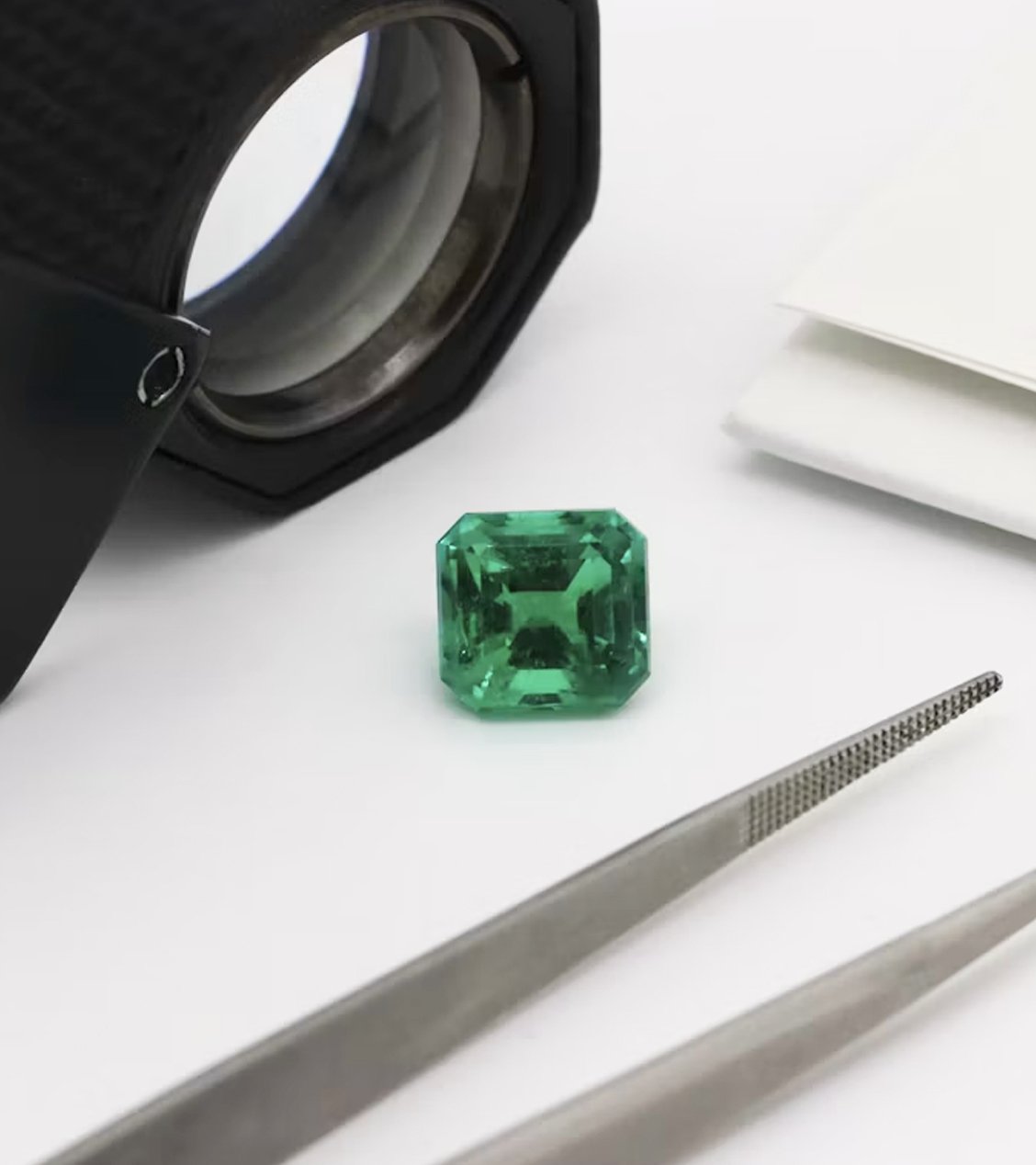
Lab-grown stones share the same chemical and optical properties as natural ones but are produced in a controlled environment, affecting rarity, pricing, and market positioning. VST’s sourcing focus is on natural gemstones, buyers can confirm sourcing specifics directly with our team.
What Is Calibration, and Why It Varies by Lot
Calibrated stones are cut to standard, uniform sizes, making them easier to set into repeat production designs. However, calibration can vary lot to lot, depending on the rough material available, so buyers on repeat or bulk orders should review and approve each new lot.
Durability & Suitability by Jewellery Type
Hardness varies between stones, sapphires and rubies are durable and suited to everyday wear like rings, while softer stones such as opal or emerald are better suited to earrings, pendants, or occasional-wear pieces.
Durability & Suitability by Jewellery Type
Rarity & Availability
Certain gemstones, such as paraiba tourmaline, alexandrite, and padparadscha sapphire, are naturally scarce. Availability can fluctuate based on mining output, meaning a stone available today may not be available in the same size or quality next season, worth factoring into long-term collection planning.
Natural Stone Variation
Unlike synthetic stones, natural gemstones will show minor variation, even within a certified grade. This is expected and part of what defines a natural stone, not a defect, but it should be communicated clearly to your own customers.
Colour Consistency Across Orders
If a design relies on multiple matching stones, request a colour-matched parcels specifically, standard sourcing doesn’t guarantee visual consistency across a full set unless matching is requested upfront.
Treatment Disclosure
Always confirm treatment status in writing, especially for repeat orders, since treatment methods can affect long-term durability and care instructions you may need to pass on to end customers.
Placing Your First Order
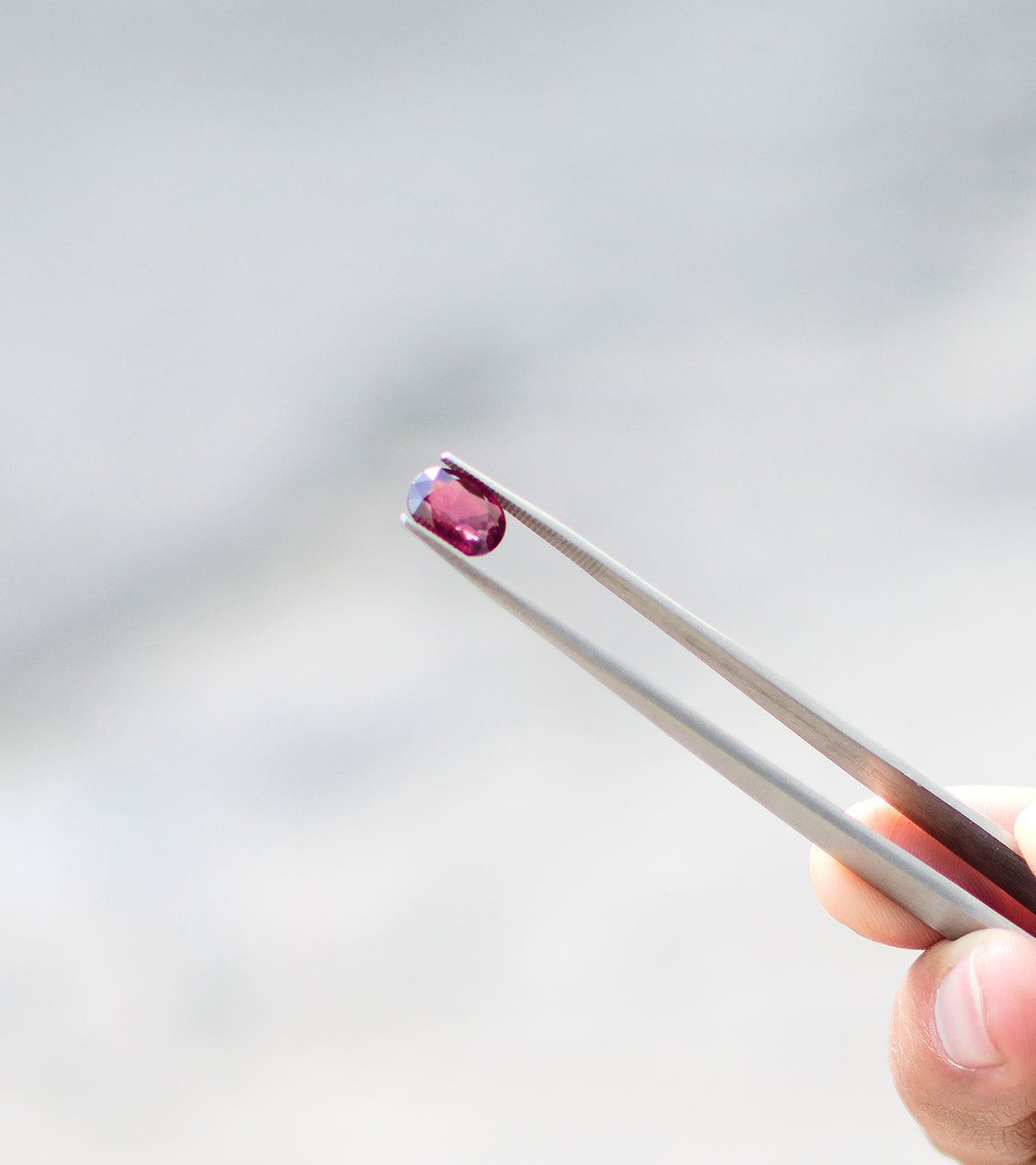
Buyers new to sourcing with VST typically start by sharing a brief, stone type, cut, colour, clarity, and quantity, along with any design context that helps guide selection. From there, our sourcing team identifies suitable options, and buyers can request a sample stone or reference parcel before committing to a full order. For ongoing collections, sourcing history is maintained so repeat orders can be matched against previous specifications.
