

Choosing a cut isn’t just an aesthetic decision; it’s a technical one. The right cut depends on a gemstone’s hardness, its natural inclusions, and how it reflects light and colour. A cut that works beautifully for a diamond can be the wrong choice entirely for a softer or more included stone.
This guide breaks down which cuts suit which gemstones, and why.
Why Cut Depends on the Stone, Not Just the Trend
Every gemstone behaves differently under the cutter’s wheel. Hardness, clarity, and internal structure all determine which cut protects the stone while showing it at its best.
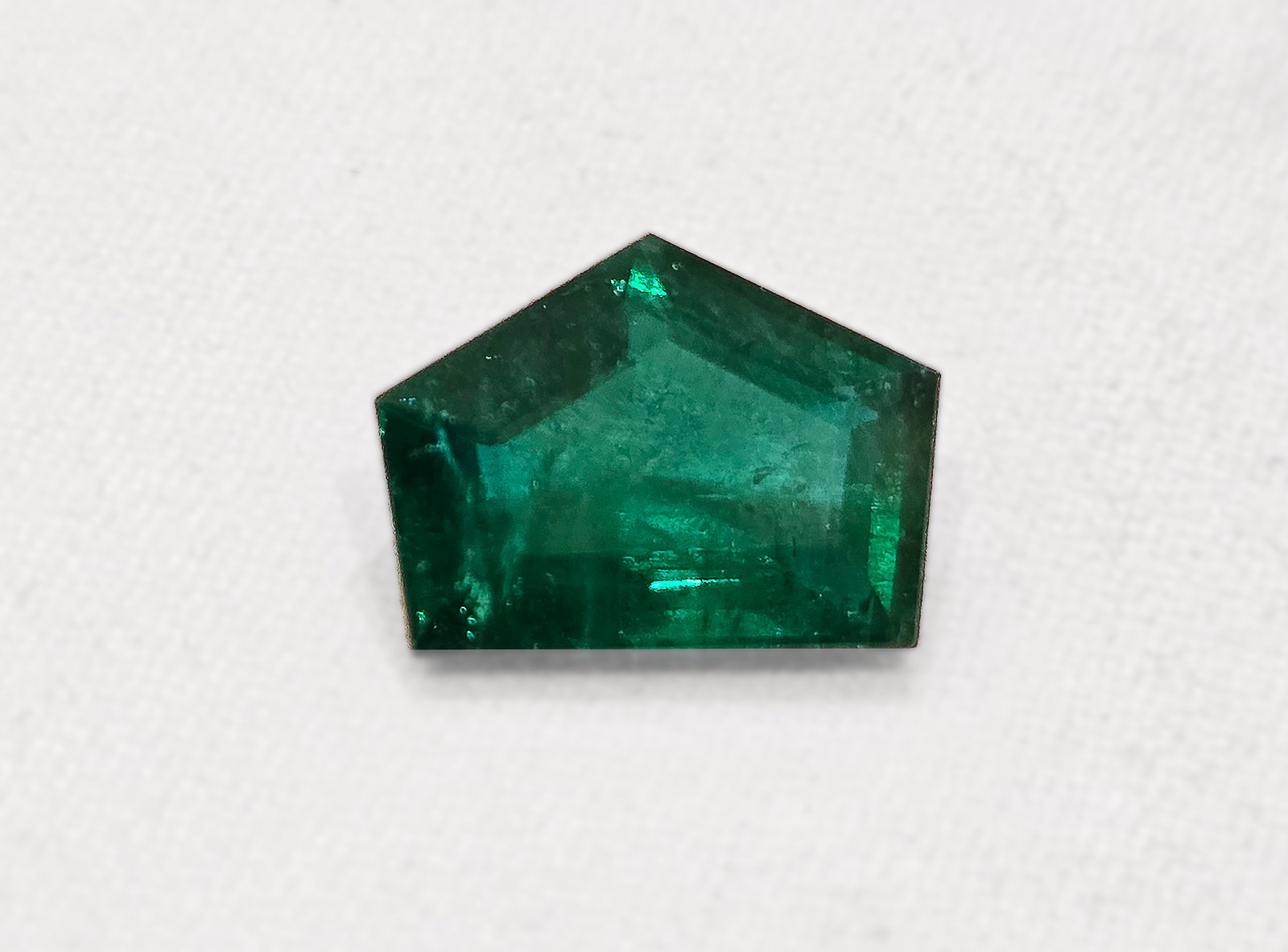
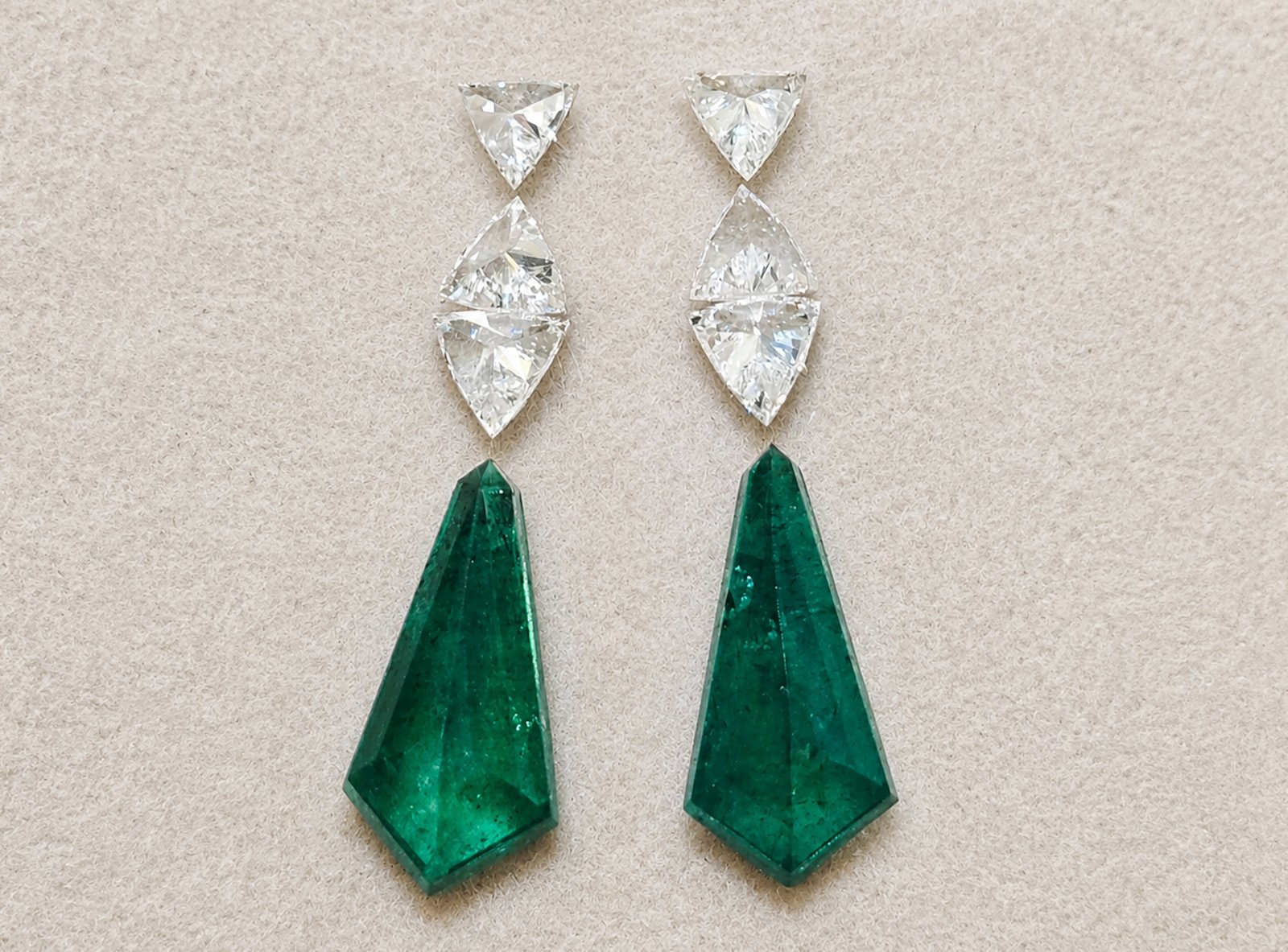
The emerald cut exists for a reason beyond its name; its stepped, rectangular facets place less stress on a stone’s structure, making it the preferred choice for emeralds and other inclusion-prone stones like aquamarine, since sharp-pointed cuts increase the risk of chipping around natural inclusions.
A cut should protect a stone’s structure as much as it shows off its colour.
Cushion cuts, with their rounded corners and larger facets, tend to maximise colour saturation and brilliance, making them a popular choice for sapphires, rubies, and tanzanite, stones where depth of colour matters more than sharp geometric precision.
Cabochon & Carved Cuts for Opaque Stones
Not every gemstone is meant to be faceted. Cabochon cutting, a smooth, polished dome rather than angular facets, is the standard for opaque or optically active stones like jade, onyx, and star sapphires or rubies, since faceting would actually hide effects like asterism or chatoyancy rather than reveal them.
At the harder end of the spectrum, princess and radiant cuts, with their sharp corners and higher facet count, work best on stones with diamond-like hardness, since softer gemstones are more prone to chipping at those precise angles.
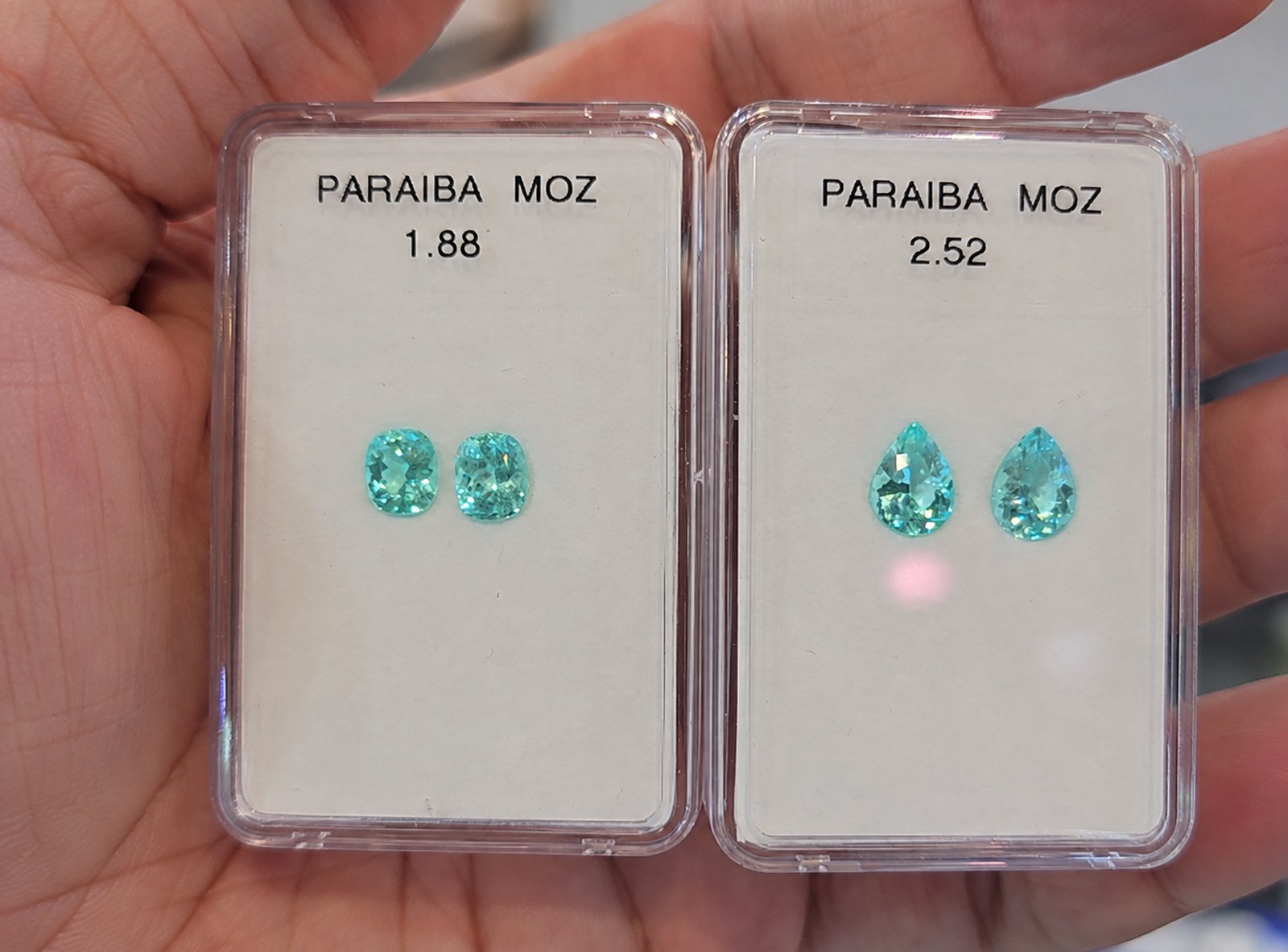
Oval, pear, and trillion cuts remain more versatile across the board, often used for tourmaline, citrine, and amethyst, where larger rough sizes allow for bigger, more expressive cuts.
Understanding which cut suits which stone is where design and craftsmanship meet, and it’s exactly where VST’s expertise comes in.
From cabochon and hand-carved work to precision faceting across fancy cuts, our team matches the cut to the stone, not the other way around, so every gemstone is cut to protect it, not just to shape it.
